When a loved one begins experiencing memory challenges, families face difficult decisions about their next steps. Understanding the benefits of memory care helps families see how it differs from other living options.
Memory care communities are designed with safety and ease of navigation in mind. These settings go beyond supervision. They offer structured, supportive environments where residents can maintain dignity, enjoy daily activities, and receive personalized care based on their needs.
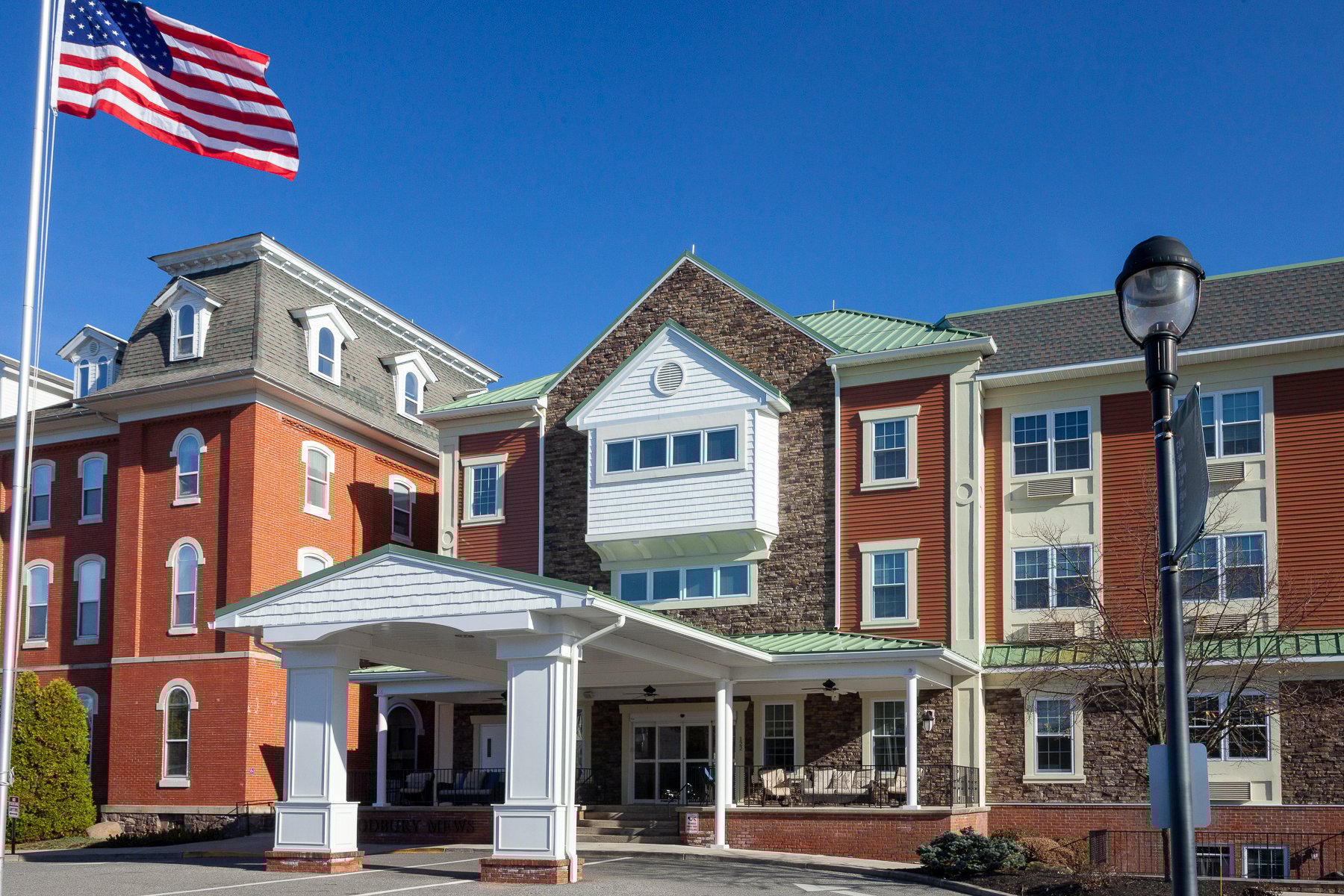
At Woodbury Mews, families in Woodbury, NJ can explore a welcoming senior living community that offers both Assisted Living and SHINE® Memory Care, allowing residents to receive the right level of assistance as needs change.
What Is Memory Care for Seniors?
Families often ask, what is memory care for seniors, and how is it different from other living options?
Memory care focuses on specialized dementia care, with trained team members, secure environments, and programs designed to help with cognitive function and emotional well-being. Memory loss affects each person differently, so routines and care are adjusted accordingly.
Rather than a one-size-fits-all model, memory care communities adapt daily support, communication, and engagement based on each resident’s abilities and preferences.
Specialized Dementia Care From Trained Team Members
One of the most important benefits of being in a memory care community is access to team members who are trained specifically in dementia care. At Woodbury Mews, this support is guided by the SHINE® Memory Care, a personalized, research-informed approach recognized by the Alzheimer’s Association®.
Team members are trained to communicate in ways that reduce confusion and frustration, recognize behavioral changes, and respond with patience and consistency throughout the day. Memory care is shaped around each resident’s background and daily habits, helping create a sense of familiarity and comfort. Subtle changes in behavior or health are often noticed early, allowing for timely adjustments in support.
Safe and Secure Living Environments
Safety is a key part of Alzheimer’s care services, but it is approached in a way that supports comfort and confidence. Memory care neighborhoods are designed to reduce confusion while allowing residents to move freely within secure spaces.
Common design features include:
- Clearly marked pathways and easy-to-read signage
- Lighting designed to reduce shadows and visual confusion
- Thoughtfully planned layouts for easier navigation
- Secured outdoor or indoor spaces for safe movement
These elements help residents feel more at ease in their surroundings while minimizing risks such as wandering or falls.
Structured Routines and Engaging Programs
Consistency plays a major role in helping residents living with dementia. Structured daily routines help reduce anxiety and create a sense of familiarity.
Memory care programs include a range of activities. These may include music sessions, art programs, gentle fitness, and reminiscence activities.
These programs are flexible and adjusted to each resident’s cognitive level, ensuring everyone can participate in a way that feels comfortable and engaging. Social interaction within these programs also helps reduce isolation and supports emotional well-being.
The Benefit of Memory Care vs Care at Home
Many families begin by caring for their loved one at home. While this can work in earlier stages, the benefit of memory care vs care at home often becomes more clear as needs increase.
At home, challenges may include limited safety features, caregiver fatigue, and a lack of specialized dementia training. In contrast, memory care communities provide:
- 24-hour assistance from trained professionals
- A secure setting designed for memory-related conditions
- Consistent routines that reduce confusion
- Opportunities for daily social interaction
This shift can also help families move from full-time caregiving into a more supportive role, allowing visits to focus on connection rather than tasks.
Family Involvement and Peace of Mind
The benefits of memory care extend beyond residents to their families. Knowing a loved one is in a secure, supportive environment can bring meaningful peace of mind.
At Woodbury Mews, families are encouraged to stay involved through regular communication, care discussions, and opportunities to connect. This collaborative approach helps ensure each resident’s preferences and needs remain at the center of their experience.
If you are beginning to explore options or want to better understand specialized dementia care, visiting a community can help families better understand what daily life and care look like.
Schedule a tour at Woodbury Mews to see how personalized SHINE® Memory Care can meet your loved one’s changing needs.